
Commercial buildings do not need more cleaning if the entrance system is wrong. They need the right mat in the right order. Dirt and water should be stopped before they spread into corridors, lifts, lobby floors, and work areas.
Quick answer
To reduce dirt and water tracked into a commercial building, use a staged matting setup: scrape first, wipe second, and drain where water is present. Use chain mats for muddy outer zones, rib mats or cushion mats inside entrances, and S mats in wet areas.
The three-zone entrance system
| Zone | Purpose | Softurf mat family |
|---|---|---|
| Outside or threshold | Scrape mud and large debris | Chain mats or rib mats |
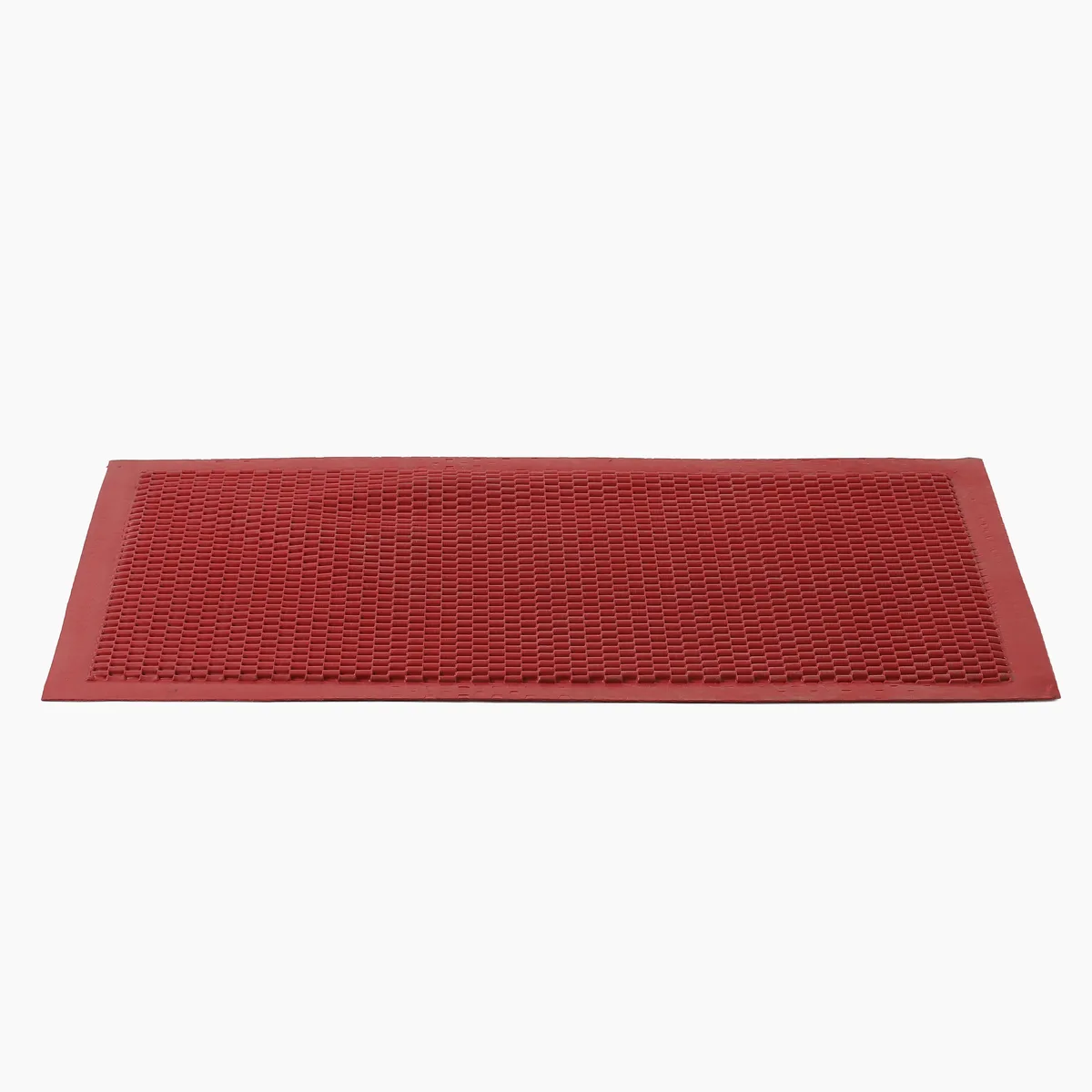
| Inside entrance | Trap dust and moisture | Rib mats or cushion mats |
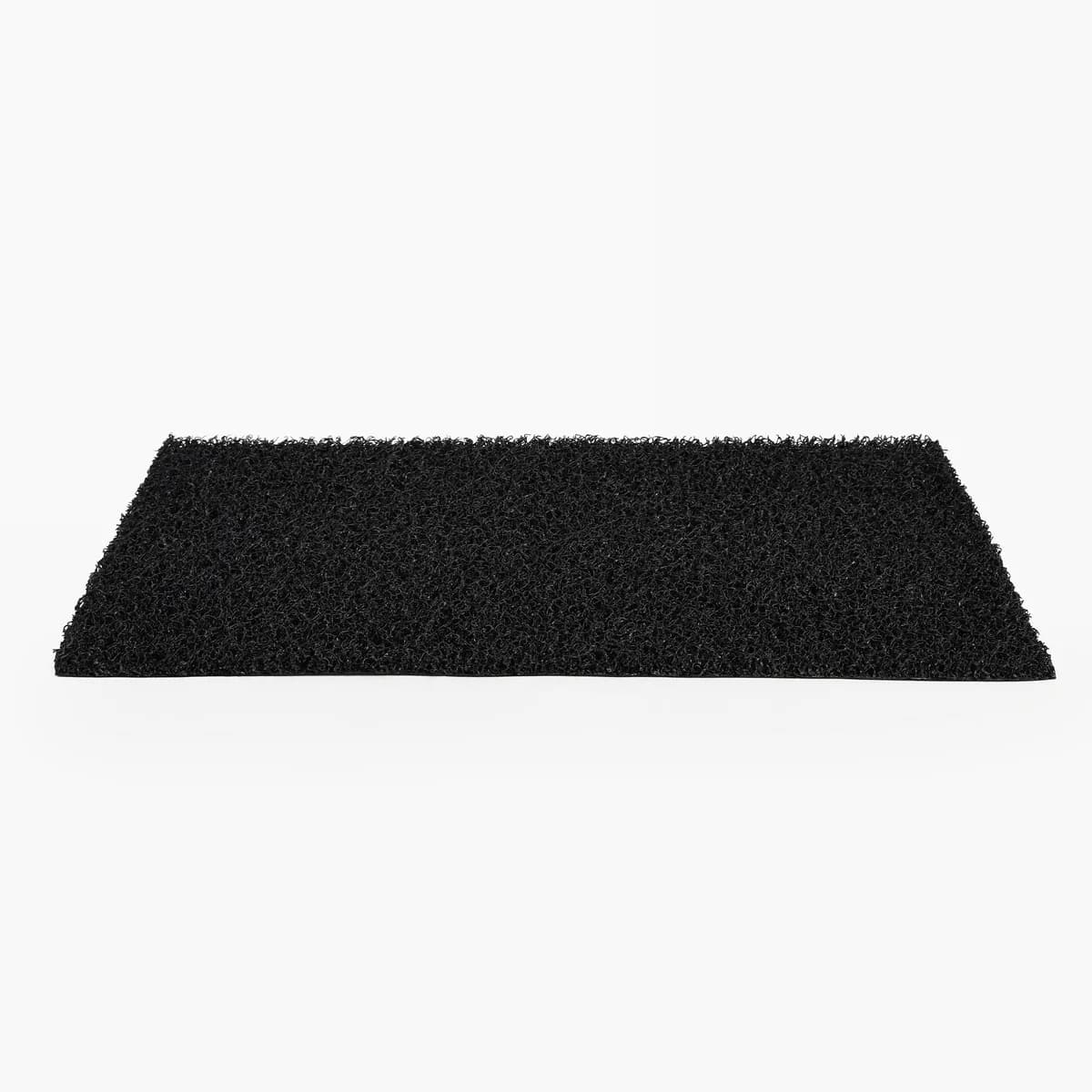
| Wet service area | Let water drain through | S mats |
The exact layout depends on traffic, weather exposure, floor finish, and cleaning routine.
Start with the outside approach
If people arrive with wet or muddy footwear, the first mat must scrape. A chain mat can be useful at rough entrances, ramps, and service paths because the raised pattern helps remove heavier dirt.
For cleaner covered entrances, a rib mat may be enough as the first scraping surface.
Use an inside mat for wiping and holding dirt
After the first scrape, the inside mat should hold finer dust and moisture. Rib mats are easy to vacuum and maintain. Cushion mats add a thicker PVC surface and can feel more comfortable underfoot.
For entrances where staff stand nearby, a cushion mat can support both dirt control and comfort.
Drain wet areas instead of trapping water
Do not place a closed-surface mat where water constantly collects. In wash zones, kitchens, poolside paths, or wet service entries, an S mat is usually better because the open structure lets water pass through.
Maintain the system
Even the right mat fails if it is never cleaned. Build a routine:
- Shake or vacuum dry dirt regularly
- Lift mats to clean trapped debris underneath
- Wash PVC mats when mud or grime builds up
- Replace mats that curl, flatten, or no longer sit flat
Softurf recommendation
For most commercial buildings, start with rib mats or cushion mats at the main entrance. Add chain mats outside rough entry zones and S mats in wet areas.
If you are still comparing mat types, use the Softurf entrance mats selector to match the product family to traffic, weather, cleaning routine, and doorway size.