PVC and rubber are both used for industrial mats, but they are not the same material and they are not interchangeable. The right choice depends on where the mat will be used, how often it must be cleaned, what contaminants it will face, and whether the area needs cushioning, drainage, scraping, traction, or specialty protection.
For most factories and commercial facilities in India, PVC is the practical default. Rubber still has a place, but usually in narrower technical applications.
PVC vs rubber mats: quick answer
PVC mats are usually better for general industrial floors, entrances, wet zones, and commercial spaces because they are lighter, easier to clean, and available in more roll, cushion, drainage, ribbed, and scraper formats. Rubber mats make sense when a site has a specific high-temperature, electrical-insulation, or specialty impact requirement.
Quick comparison
| Factor | PVC mats | Rubber mats |
|---|---|---|
| Weight | Lighter and easier to move | Heavier |
| Cleaning | Easy to wash and dry | Often needs more scrubbing and drying |
| Oil and chemical exposure | Strong for many common factory conditions | Can degrade with some petroleum-based exposure |
| Custom sizing | Easy in roll and cut formats | More limited depending on product |
| Comfort | Good with cushion or coil construction | Good natural resilience |
| Best use | Factories, entrances, wet zones, commercial spaces | Electrical, high-temperature, and specialty impact zones |
When PVC mats are the better choice
Choose PVC mats when the area needs frequent cleaning, custom sizing, drainage, or a lighter product that staff can move without difficulty.
PVC is especially useful for:
- Factory standing workstations
- Entrances and lobbies
- Wet kitchens and wash areas
- Retail and commercial spaces
- Warehouses and packing zones
- Areas exposed to dust, mud, oil, or water
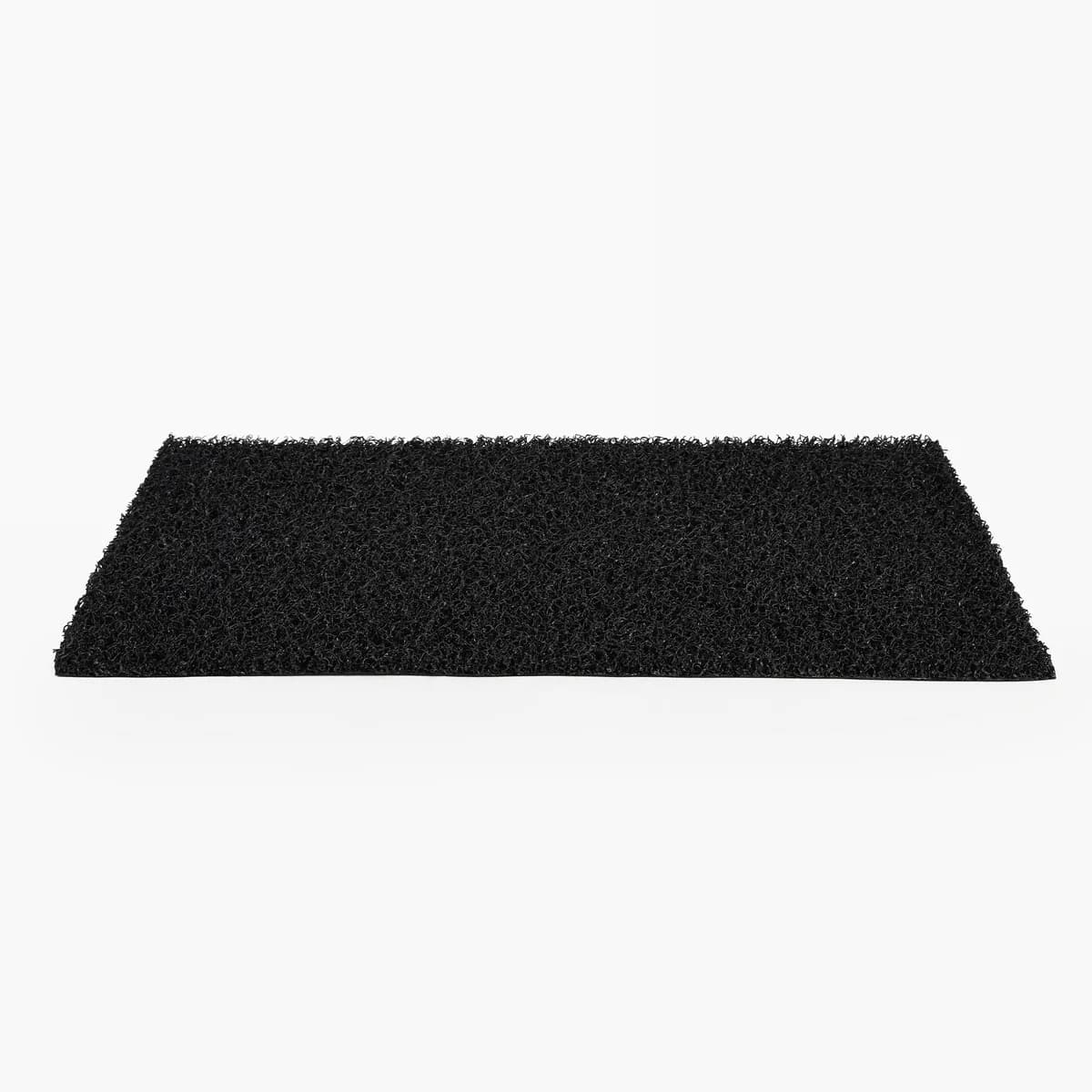
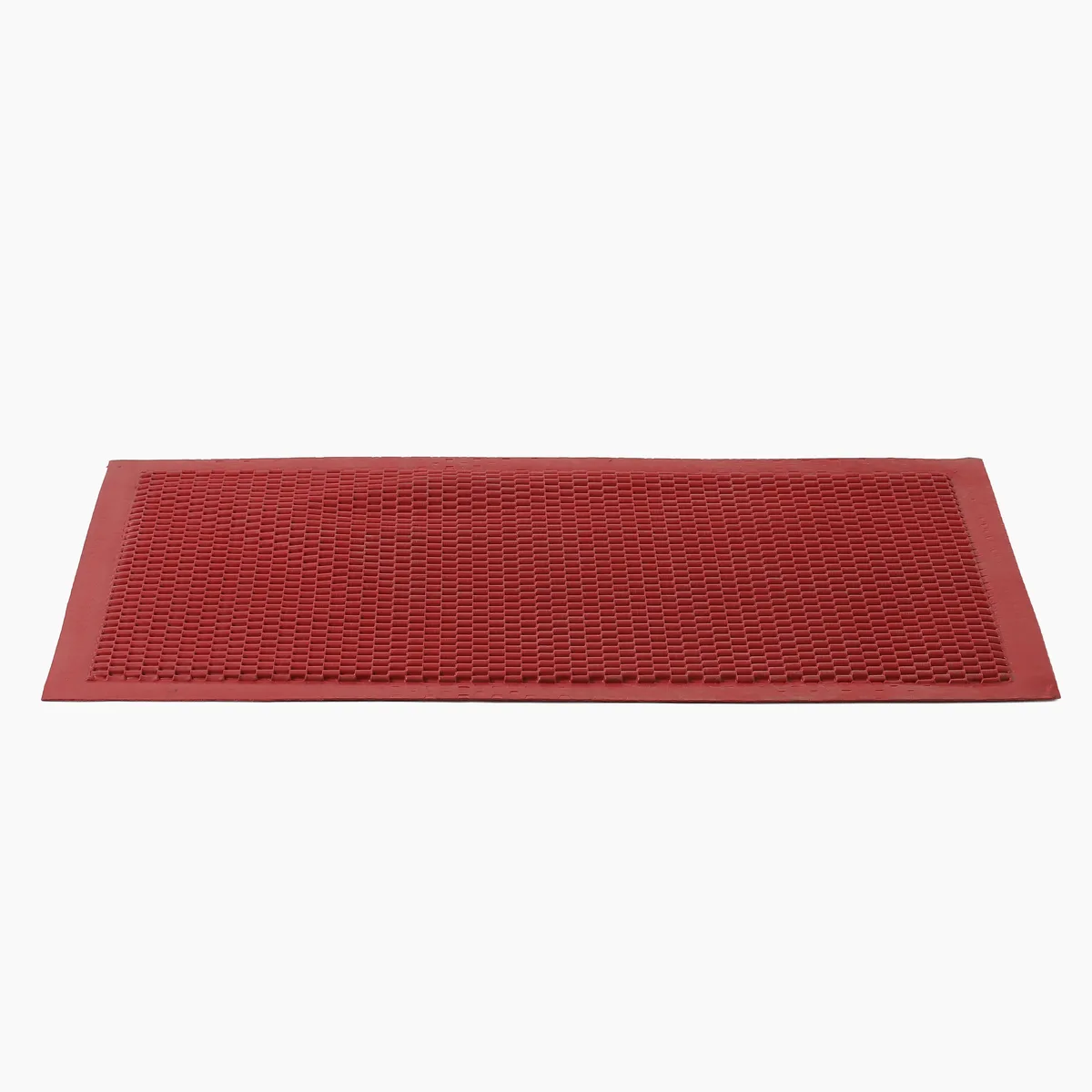
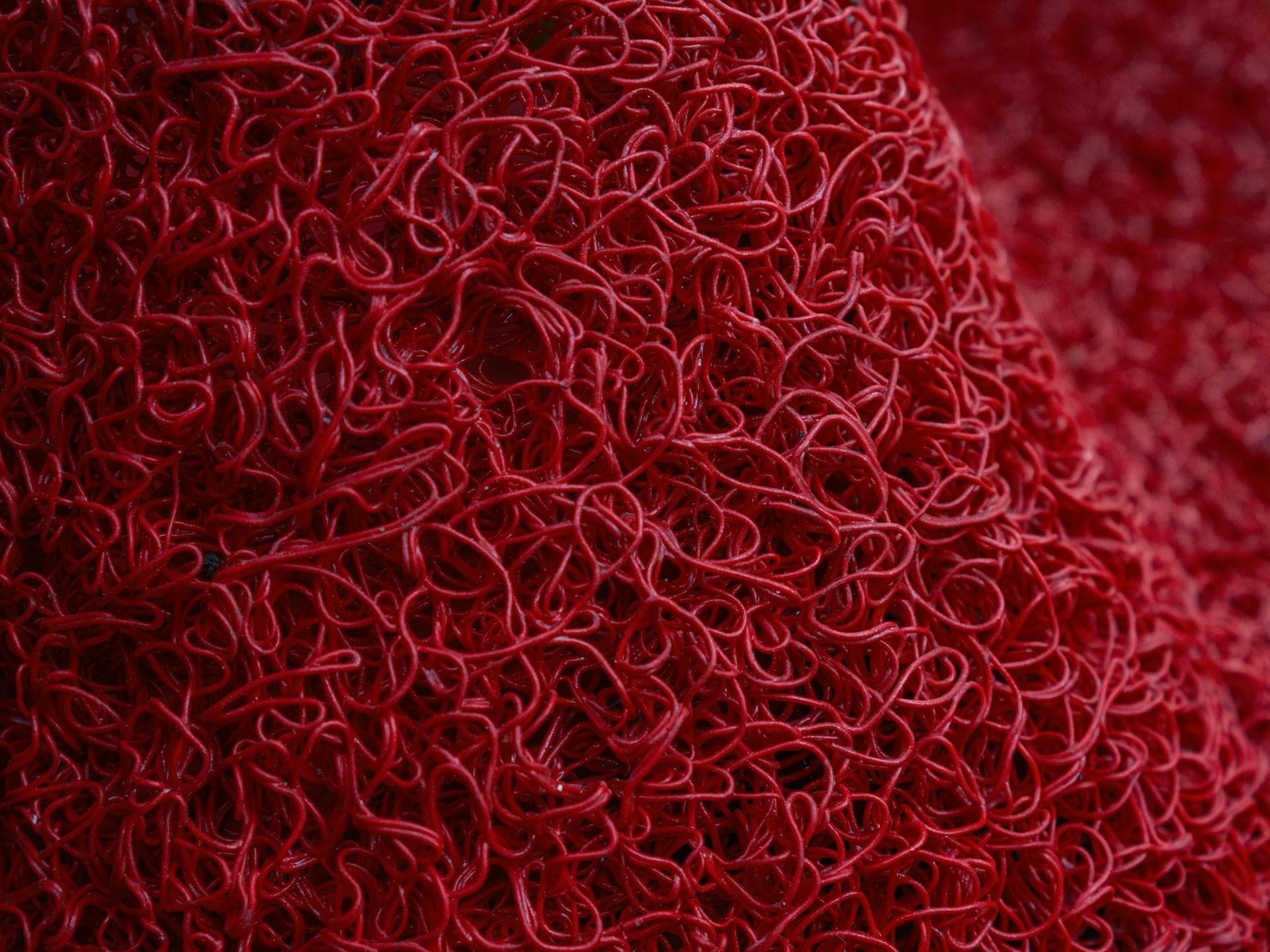
PVC mats can be made in cushion, ribbed, S-pattern, coil, or chain-link structures. That gives facility teams more control over comfort, scraping, drainage, and appearance.
When rubber mats make sense
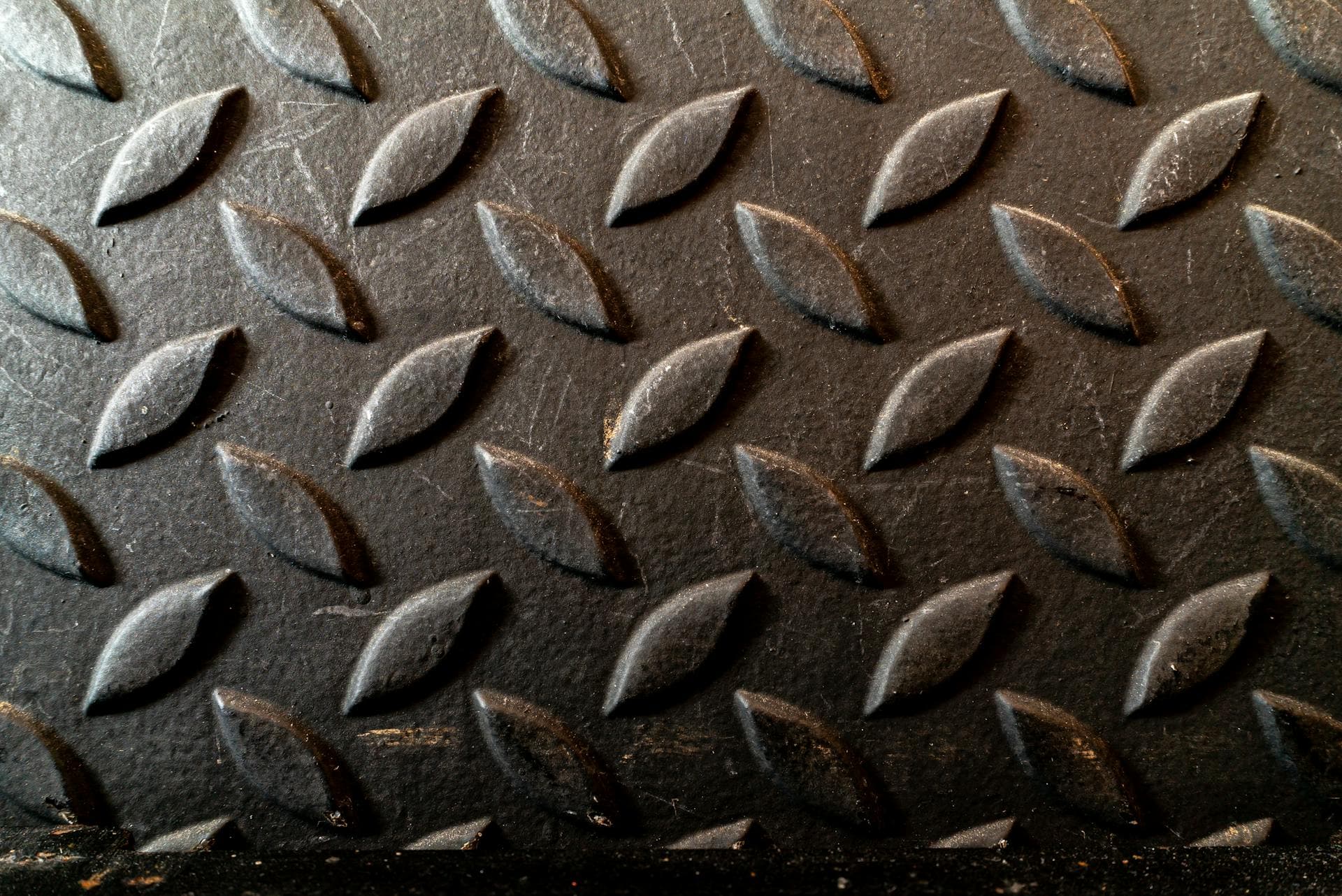
Rubber is useful when the mat must solve a very specific problem. Examples include high-temperature zones, electrical-insulation areas, and places with heavy impact requirements.
For a normal entrance, production line, or wet commercial floor, rubber may be heavier and harder to clean than necessary.
Which is better for wet areas?
For wet areas, mat structure matters more than material alone. An open-grid PVC S mat can drain water quickly and give footwear traction, which is why it is often used in kitchens, poolside walkways, wash areas, and industrial wet zones.
A flat rubber mat may become slippery if it holds water on the surface. Always check the surface pattern and drainage path.
Recommended Softurf products
ENDURA is suited to demanding industrial areas that need high grip and heavy-duty drainage.
Cushion Maxx is suitable for standing workstations and general factory anti-fatigue use.
Chain Mat is useful where scraping, mud removal, and high foot traffic are key concerns.
Quick answer
PVC mats are usually better than rubber mats for general industrial and commercial use in India because they are lighter, easier to clean, available in more formats, and practical for custom sizing. Rubber is still useful for specialty zones, but it should be chosen for a specific technical reason.