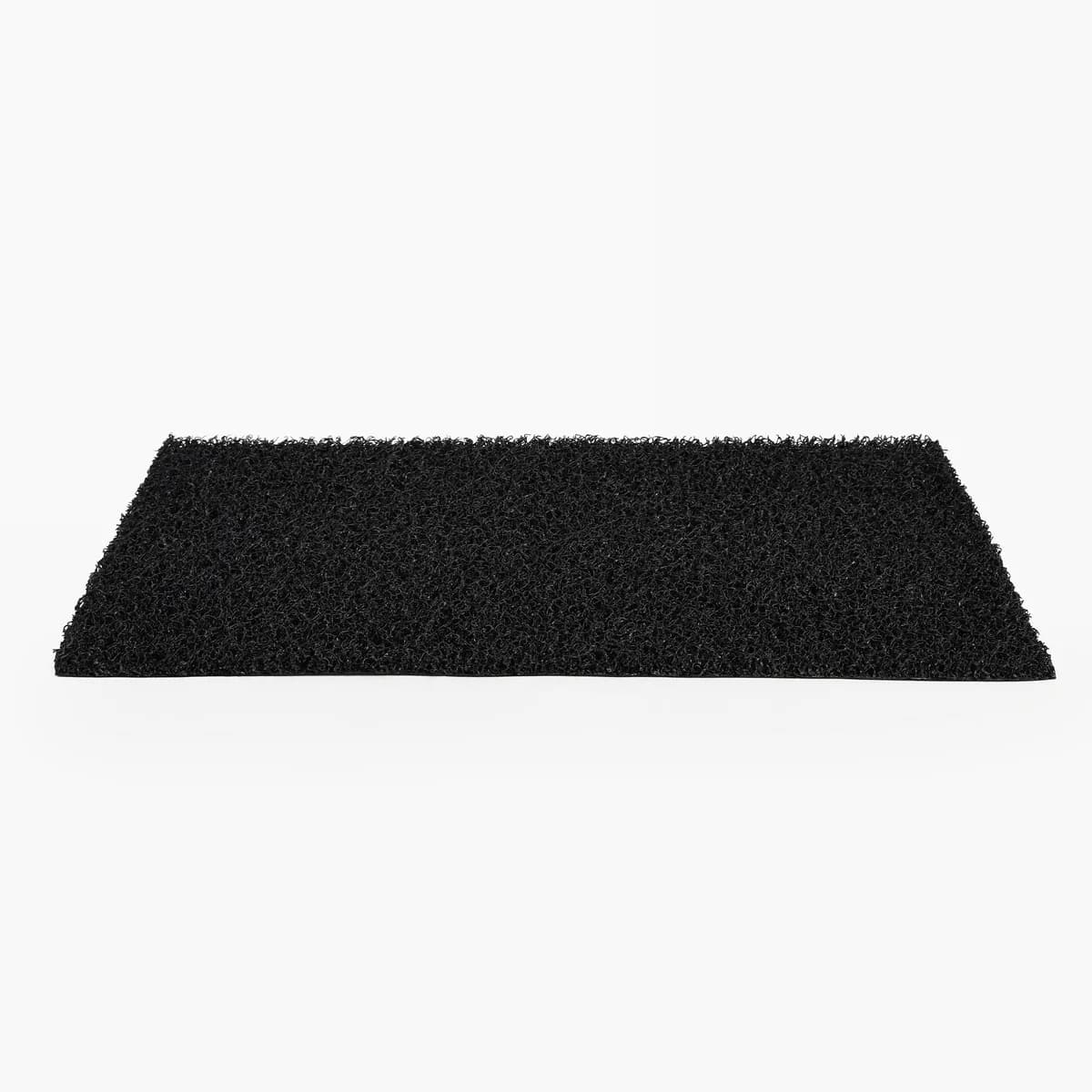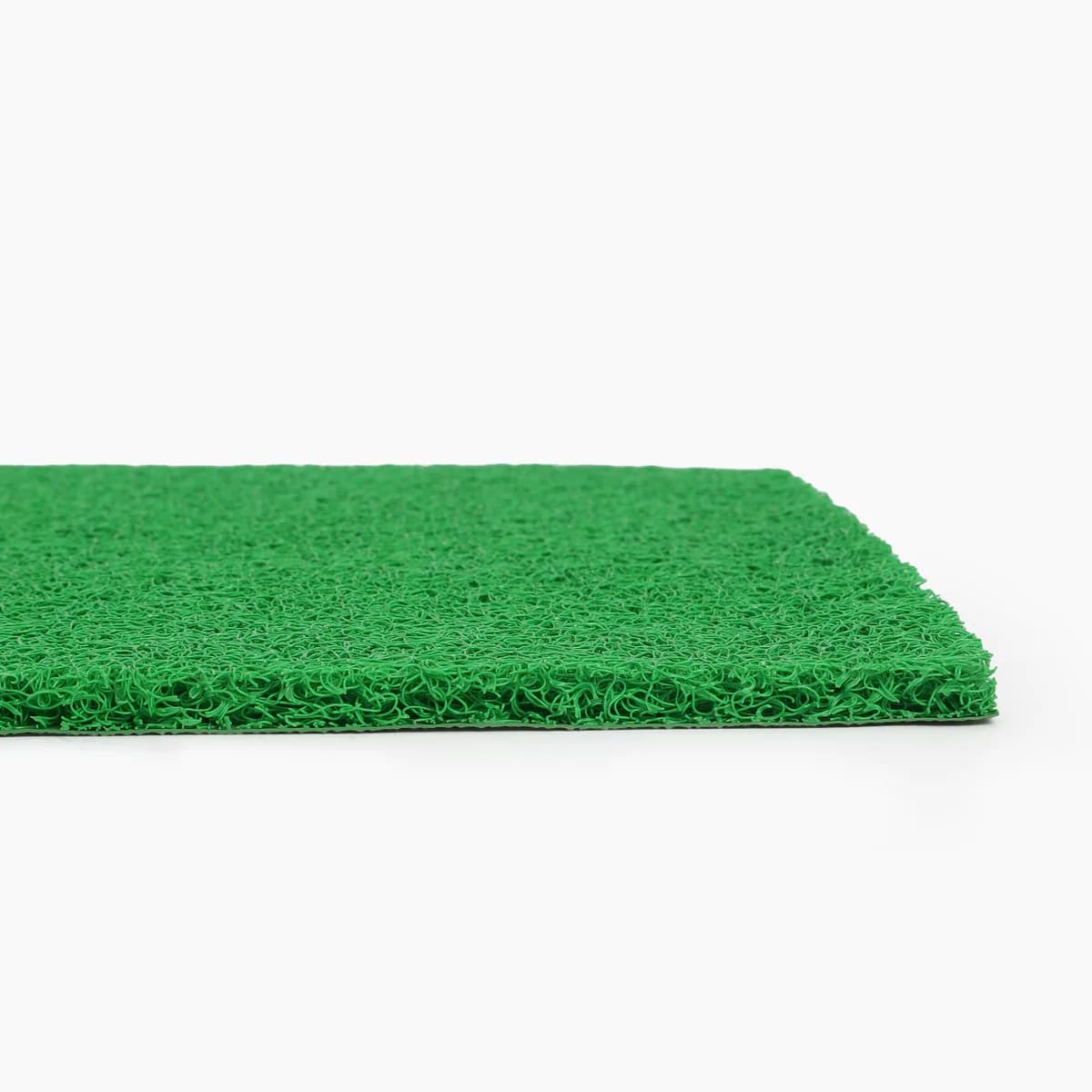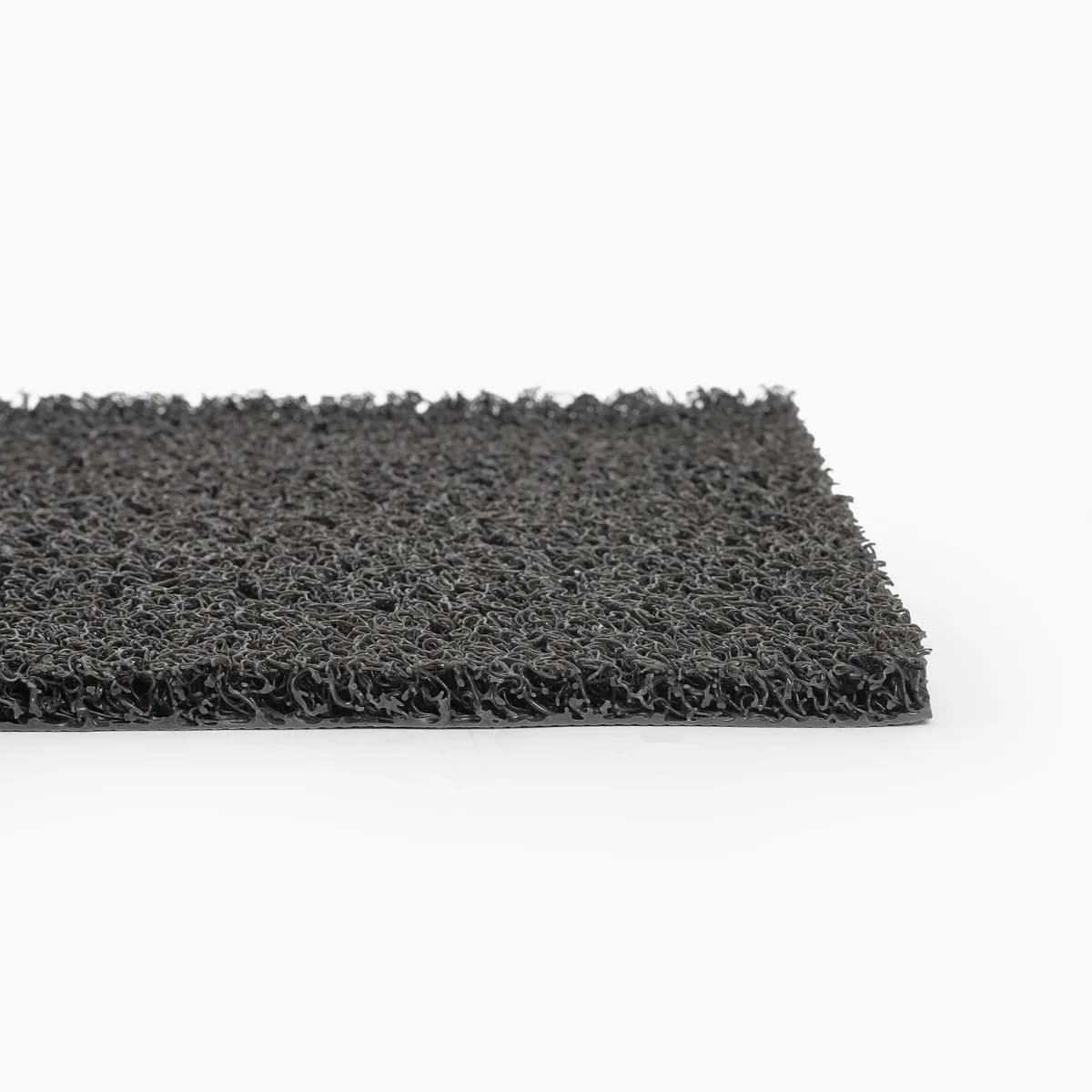

Anti-fatigue mat thickness matters, but thickness alone does not decide comfort. A mat also needs the right firmness, surface grip, cleaning method, and size for the work area.
Quick answer
For most standing workers, start with a medium-firm PVC cushion mat around 10 mm to 15 mm where the site allows it. Choose heavier and denser construction for factories and high-traffic areas. Choose lighter mats for offices, counters, and lower-traffic commercial spaces.
Thickness is only one part of comfort
A very thick mat can still be uncomfortable if it is too soft or unstable. A thinner mat can work well if it has dense construction and the worker does not stand for a full shift.
The right anti-fatigue mat should:
- Support the foot without sinking too much
- Stay flat under repeated movement
- Be easy to clean around the workstation
- Fit the actual standing area
- Avoid creating a trip point near edges
Practical thickness ranges
| Use case | Practical starting point |
|---|---|
| Light office or reception standing | Standard duty PVC cushion mat |
| Retail counter or billing desk | Medium cushion mat with easy cleaning |
| Factory workstation | Medium-firm heavy-duty cushion mat |
| High-traffic entrance with comfort need | Dense PVC cushion construction |
| Wet floor or wash zone | Open-grid S mat instead of cushion mat |
Softurf cushion products commonly sit around 12 mm to 15 mm for many commercial and heavy-duty options, with some lighter or specialty products varying by construction.
Match thickness to the worker movement
For a fixed standing station, comfort is the main requirement. For a position where workers turn, lift, or step sideways often, stability becomes just as important. In those areas, avoid overly soft mats.
For long work lines, a roll-format mat may be easier to size than several small pieces. For single positions, a cut-size mat can be simpler to clean and replace.
Product starting points
Cushion Maxx is a strong starting point for demanding factory or commercial areas that need firm comfort and dirt trapping.
Indo Star can work where the mat needs to look presentable and still handle regular traffic.
Standard Duty is better suited to lighter standing areas, offices, shops, and support zones.
Softurf recommendation
Do not choose by thickness alone. Share the floor type, traffic level, cleaning routine, and standing duration when requesting a quote. That gives Softurf enough context to recommend the right PVC cushion mat instead of simply choosing the thickest option.