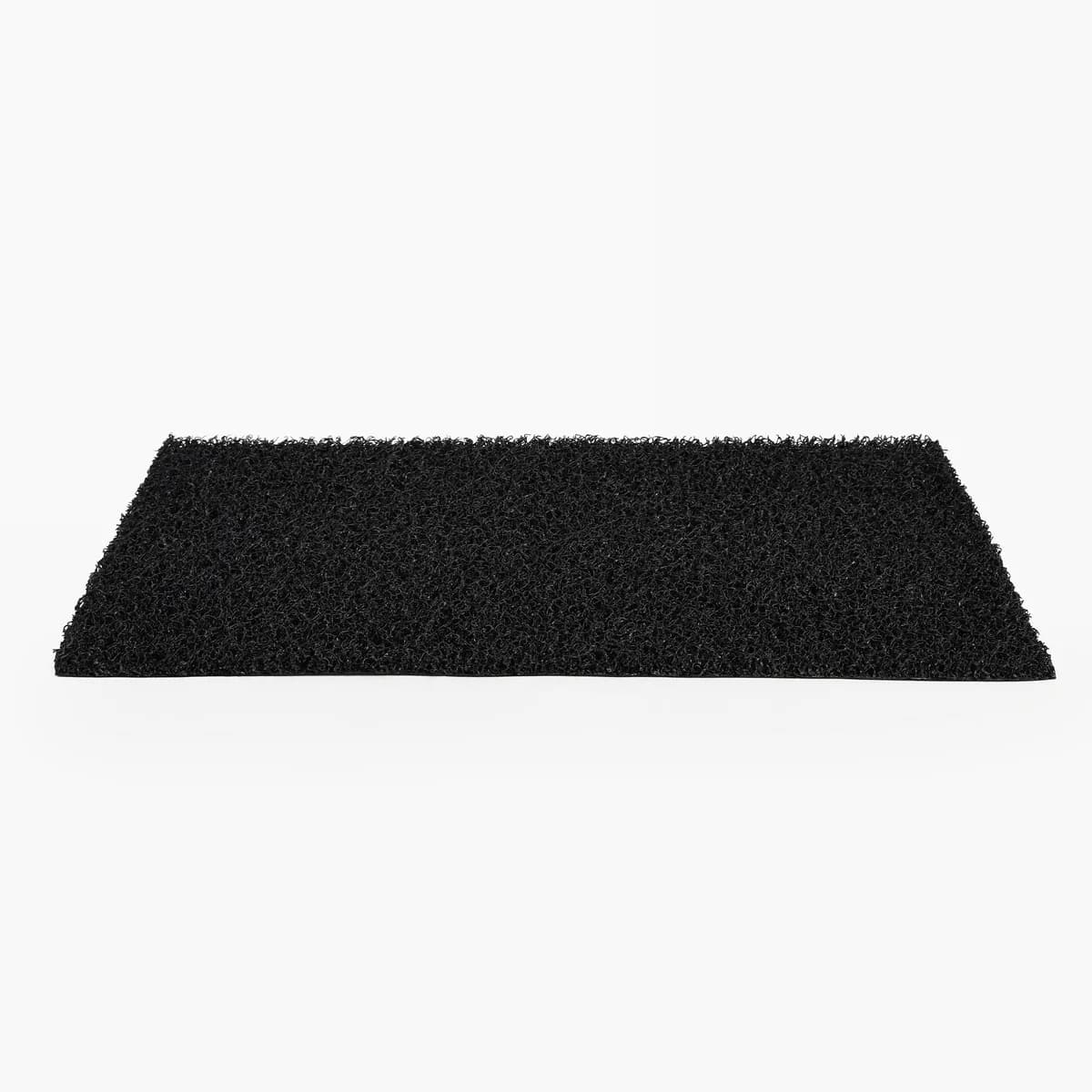

The right mat size depends on the job being done on the floor. A factory does not need the same mat everywhere. Standing workstations need cushioning, entrances need scraping depth, and wet zones need drainage coverage.
A good sizing plan starts by dividing the floor into zones.
Step 1: Mark the matting zones
Walk the facility and mark these areas:
- Fixed standing workstations
- Assembly line positions
- Packing and inspection counters
- Machine operator zones
- Entrances and loading points
- Wet wash areas
- Corridors where dirt or water is tracked
Do not measure the full room first. Measure the activity area where the mat actually solves a problem.
Step 2: Size standing workstations
For one standing worker, the mat should cover normal foot movement and small side steps. A common starting point is around 900 mm by 600 mm, but the exact size depends on the workstation.
For assembly lines, use longer mat sections where workers stand continuously. Keep sections manageable so they can be lifted for cleaning.
Step 3: Size entrance mats by footsteps
Entrance mats work best when people take several steps on the mat before reaching the clean floor. For commercial and factory entrances, aim for at least 6 to 8 footsteps of matting where space allows.
Use the full door width as the minimum width, then extend wider if traffic fans out after entry.
Step 4: Size wet-zone mats around drains
Wet-zone mats should guide workers safely through water-prone areas without blocking drainage. Leave drains accessible and cut around equipment legs, thresholds, and cleaning points.
For dishwashing, washdown, or process areas, use mats that can be rolled or lifted daily.
Step 5: Avoid common sizing mistakes
The most common mistakes are:
- Mats that are too small for natural foot movement
- Oversized mats that are difficult to clean
- Mats overlapping door swings
- Mats covering floor drains
- Gaps between entrance matting sections
- Edges placed directly in trolley paths
The best matting layout feels obvious to workers because it follows their actual movement.
Recommended Softurf products
Cushion Maxx is the first choice for standing workstations and anti-fatigue zones.
2-Rib Mat is useful for entrances and dirt-control areas.
SMat Hydra is best where water needs to drain through the mat.
Quick answer
To size factory mats, measure each working zone separately. Use cushion mats for fixed standing areas, ribbed mats for entrances, and open-grid S mats for wet zones. Keep mats large enough for safe movement but small enough to lift and clean.